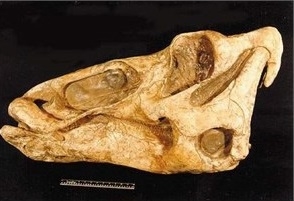
Duckbill Tooth Row Replica
$24.00
Duckbill tooth row replica measures 5.0 x 5.0 x 2.0 inches. The Hadrosaurus foulkii tooth is a museum-quality polyurethane resin cast. 1:1 scale. Made in USA.
- Description
- Additional information
Description
Duckbill tooth row replica measures 5.0 x 5.0 x 2.0 inches. The Hadrosaurus foulkii tooth is a museum-quality polyurethane resin cast. 1:1 scale. Made in USA.
Hadrosaurus roamed the lush forests and marshy swamps bordering the ancient seacoast of New Jersey roughly 80 million years ago. The eastern coast of North America limited its geographical range.
They maintained strictly vegetarian diet throughout their life. It walked on all four legs to graze on low-lying vegetation close to the ground. It also reared up on its hind legs to browse higher tree branches. Its broad, duck-like beak snipped off dense flora, while hundreds of blunt, tightly packed teeth ground up tough-stemmed twigs, leaves, conifers, and horsetails.
Scientific Classification
- Kingdom: Animalia
- Phylum: Chordata
- Clade: Dinosauria
- Order: †Ornithischia
- Suborder: †Ornithopoda
- Clade: †Hadrosauromorpha
- Family: †Hadrosauridae
- Genus: †Hadrosaurus
- Species: †H. foulkii
- Binomial name: †Hadrosaurus foulkii
- Conservation Status: Extinct
Quacker, the duckbill dinosaur tooth replica, is going in a submarine for the very first time. He is really excited, yet scared at the same time.
Mommie, the Maiasaura juvenile skull replica, is packing a lot of treats for everyone to enjoy.
Double Trouble, the Triceratops double brow replica, wants to see shipwrecks. If there are jewels and gold he is getting out and going to bring it home.
Ed, the Edmontosaurus annectens skull plaque replica, is bringing his underwater camera to take pictures of all the cool fish.
Additional information
| Weight | 6.0 lbs |
|---|---|
| Dimensions | 5.0 × 5.0 × 2.0 in |
| National Dinosaur Day - June 1st | National Dinosaur Day is celebrated on June 1st every year. It's a day to learn about dinosaurs, including what they looked like, what they ate, and how they became extinct. |