Harp Seal Skull Replica
$210.00
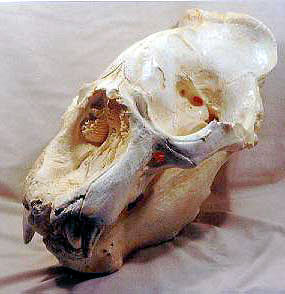
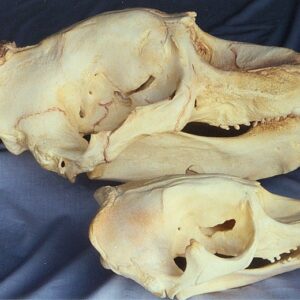
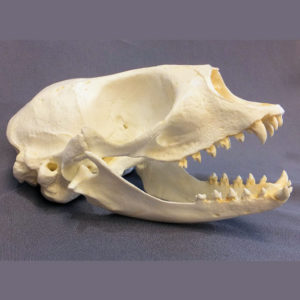
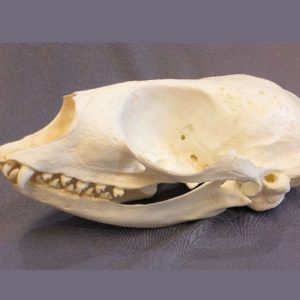
Harp seal skull replica is 7.5 x 4.7 x 3.5 in. Pagophilus groenlandicus skull is a museum-quality polyurethane resin cast of a CAS specimen.
- Description
- Additional information
Description
Harp seal skull replica measures 7.5 x 4.7 x 3.5 inches. Pagophilus groenlandicus skull is a museum-quality polyurethane resin cast of a California Academy of Sciences specimen. 2-part skull (separate cranium and mandible). 1:1 scale. Made in USA.
The harp seal, Pagophilus groenlandicus, inhabits the Arctic and northern Atlantic oceans. Also called the saddleback seal, this pelagic species lives on pack ice and in the open sea.
These carnivores grow up to six feet long and weigh 350 pounds. Harp seals migrate annually in search of food, often traveling over 6,000 miles. This resilient marine mammal remains a key part of the freezing northern ecosystem.
Scientific Classification
- Kingdom: Animalia
- Phylum: Chordata
- Class: Mammalia
- Order: Carnivora
- Clade: Pinnipedia
- Family: Phocidae
- Genus: Pagophilus
- Species: P. groenlandicus
- Binomial name: Pagophilus groenlandicus
- Conservation status: Least concern
Glacier, the harp seal skull replica, has a new pen pal from Germany. She is excited because she has a new friend, and she also has a postal stamp collection and will soon be able to add a Germany stamp to the collection.
Steve, the Steller’s sea lion male skull replica, has asked his great grandpa from Poland to send her a letter for a surprise. He is so thoughtful.
Nate, the Northern fur seal male skull replica, noticed while looking through her stamp collection she did not have a stamp from the United States. He promptly went home and returned with one for her to add.
Cooper, the California elephant seal male skull replica, knows a lot of people in Australia, he asked all of them to send different letters to her with the cute Australian animals on them.
Additional information
| Weight | 8.0 lbs |
|---|---|
| Dimensions | 7.5 × 4.7 × 3.5 in |
| International Seal Day - March 22nd | Every year on March 22nd, the International Day of the Seal promotes the conservation of seals worldwide. It’s also a day to celebrate this amazing marine mammal. A seal is a type of animal called a pinniped, which is Latin for “fin-footed.” Other pinnipeds include the walrus and sea lion. What makes seals different than other pinnipeds is that they don’t really use their flippers to walk. When on land, they usually slide around on their bellies. In the water, their flippers help them swim really fast. Seals are also much quieter and smaller than their sea lion and walrus cousins. |