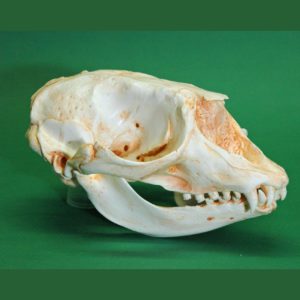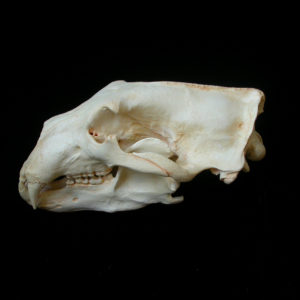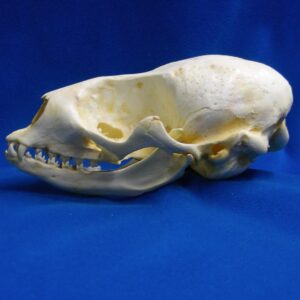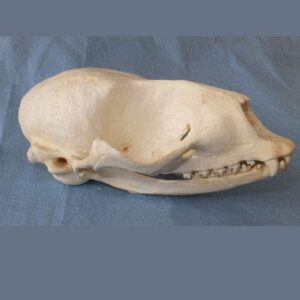
Harp Seal Skull Replica
$210.00
The harp seal (Pagophilus groenlandicus) has large eyes with spherical lenses and mobile pupils to help it focus and adapt to the bright Arctic glare.
- Description
- Additional information
Description
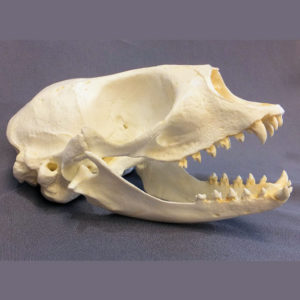
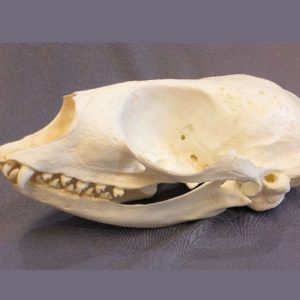
Harp seal skull replica measures 7.5 x 4.7 x 3.5 inches. Pagophilus groenlandicus skull is museum-quality polyurethane resin cast from California Academy of Sciences specimen. 2-part skull (separate cranium and mandible). 1:1 scale. Made in USA.
The harp seal, Pagophilus groenlandicus, inhabits the Arctic and northern Atlantic oceans. Also called the saddleback seal, this pelagic species lives on pack ice and in the open sea.
These carnivores grow up to six feet long and weigh 350 lbs. Harp seals migrate annually in search of food, often traveling over 6,000 miles. This resilient marine mammal remains a key part of the freezing northern ecosystem.
Scientific Classification
- Kingdom: Animalia
- Phylum: Chordata
- Class: Mammalia
- Order: Carnivora
- Clade: Pinnipedia
- Family: Phocidae
- Genus: Pagophilus
- Species: P. groenlandicus
- Binomial name: Pagophilus groenlandicus
- Conservation status: Least concern
The hooded seal skull replica makes a great pairing because it shares North Atlantic breeding grounds with the harp seal, highlighting the unique nasal structure of the hooded seal. Adding a polar bear skull replica illustrates the primary land-based threat these seals face on the pack ice.
A ringed seal skull replica rounds out the set of small species that inhabit these same Arctic regions. Together, these three replicas build a complete look at the seals and the predator found throughout the northern pack ice.
Additional information
| Weight | 5.0 lbs |
|---|---|
| Dimensions | 7.5 × 4.7 × 3.5 in |
| International Seal Day - March 22nd | Every year on March 22nd, the International Day of the Seal promotes the conservation of seals worldwide. It’s also a day to celebrate this amazing marine mammal. A seal is a type of animal called a pinniped, which is Latin for “fin-footed.” Other pinnipeds include the walrus and sea lion. What makes seals different than other pinnipeds is that they don’t really use their flippers to walk. When on land, they usually slide around on their bellies. In the water, their flippers help them swim really fast. Seals are also much quieter and smaller than their sea lion and walrus cousins. |