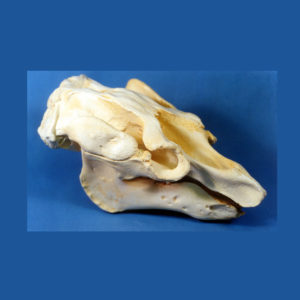
Hippopotamus Left Canine Tooth Replica
$160.00
Hippopotamus left canine tooth replica is 14.0 x 29.0 x 6.5 in. The Hippopotamus amphibius tooth is a museum-quality polyurethane resin cast of CAS specimen.
- Description
- Additional information
Description
Hippopotamus left canine tooth replica measures 14.0 x 29.0 x 6.5 inches. The Hippopotamus amphibius tooth is a museum-quality polyurethane resin cast of a California Academy of Sciences specimen. 1:1 scale. Made in USA.
The hippopotamus is large mammal native to sub-Saharan Africa. People also call it the Nile hippopotamus or river hippopotamus. This large animal lives in rivers, lakes, and mangrove swamps.
The hippo is semiaquatic and there are only two living species today. The other species is the pygmy hippopotamus. The name hippopotamus comes from Ancient Greek words that mean “river horse”.
After elephants and rhinoceroses, the hippopotamus is the next largest land mammal. It is the largest living land even-toed ungulate. Hippos look like pigs, however their closest living relatives are cetaceans. This group includes whales, dolphins, and porpoises.
Hippos split from cetaceans about 55 million years ago. Hippos have barrel-shaped torsos, wide-opening mouths, and large canine tusks. They also have nearly hairless bodies, short legs, and are large. Adult males average 1.7 short tons. Adult females average 1.4 short tons.
Scientific Classification
- Kingdom: Animalia
- Phylum: Chordata
- Class: Mammalia
- Order: Artiodactyla
- Family: Hippopotamidae
- Genus: Hippopotamus
- Species: H. amphibius
- Binomial name: Hippopotamus amphibius Linnaeus, 1758
- Conservation status: Vulnerable (IUCN 3.1)
Pink, the hippopotamus canine tooth replica, has a toothache. She really does not like going to the dentist and has asked Tilly to go with her.
Tilly, the pygmy hippopotamus skull replica, is more than happy to keep Pink entertained while at the dentist.
Floater, the Amazonian manatee skull replica, told Pink she should have had her teeth floated the last time she was at the dentist.
Manny, the West Indian manatee skull replica, is Pink’s designated driver to and from the dentist.
Additional information
| Weight | 30.0 lbs |
|---|---|
| Dimensions | 14.0 × 29.0 × 6.5 in |
| World Hippopotamus Day - February 15th | Each year, World Hippo Day on February 15th provides a special day to celebrate the world’s third-largest mammal. It’s also a day to learn more about the hippopotamus. The Blue whale and the African elephant are the only two mammals in the world that are larger than the hippopotamus. The word hippo translates to river horse in ancient Greek. The giant animal weighs a whopping 8,000 pounds. There is only one continent in the world you can find a hippo. That continent is Africa. Hippos are native to over 30 countries in Africa. These herbivores live up to 50 years in the wild. There are only two species of hippos on the planet. These include the common hippopotamus and the pygmy hippo. |