



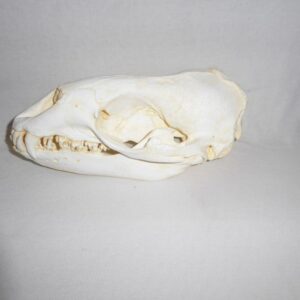
Leopard Seal Skull Replica
$272.00
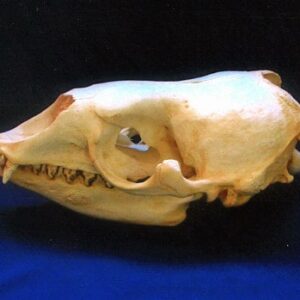
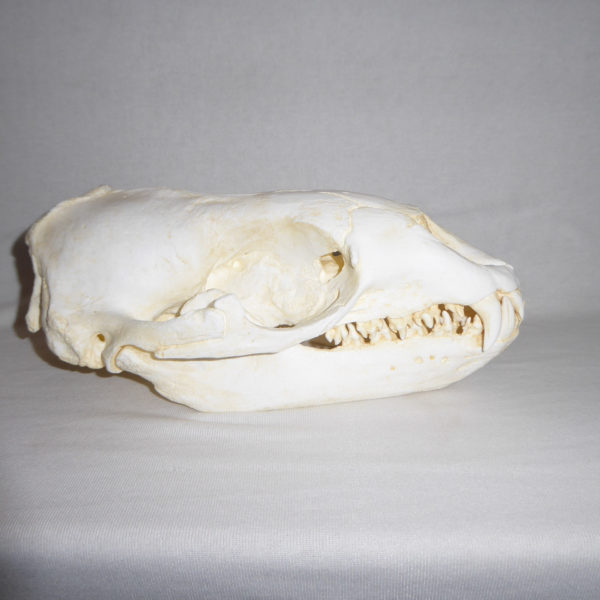
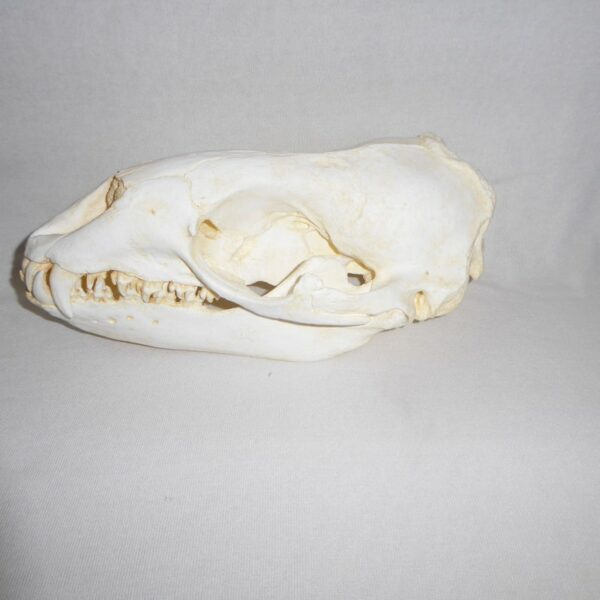
The leopard seal has a massive mouth with sharp teeth for hunting. Its unique molars lock together to sieve krill from the Southern Ocean floors.
- Description
- Additional information
Description
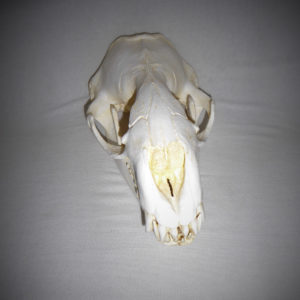
Leopard seal skull replica measures 14.5 x 7.1 x 5.9 inches. Hydrurga leptonyx skull is museum-quality polyurethane resin cast from California Academy of Sciences specimen. 2-part skull (separate cranium and mandible). 1:1 scale. Made in USA.
This leopard seal lives in Antarctica and on surrounding islands including the Falklands and South Georgia and the South Shetland. This large carnivore can open its jaw very wide.
Its massive size allows it to prey on smaller seal species, including the Antarctic fur seal and the crabeater seal. These hunters also regularly eat penguins and squid in the freezing Southern Ocean. This skull shows the powerful bone structure needed to survive as a top predator in these harsh waters.
Scientific Classification
- Kingdom: Animalia
- Phylum: Chordata
- Class: Mammalia
- Order: Carnivora
- Clade: Pinnipedia
- Family: Phocidae
- Subfamily: Monachinae
- Genus: Hydrurga
- Species: H. leptonyx
- Binomial name: Hydrurga leptonyx (Blainville, 1820)
- Conservation status: Least Concern
The killer whale is the only natural predator that hunts leopard seals in the Southern Ocean. You can pair this killer whale skull replica with the leopard seal skull to show that relationship. Adding a crabeater seal skull replica also shows the prey and leopard seal hunts. A California elephant seal male skull replica offers a great comparison for the leopard seal’s long head.
Additional information
| Weight | 30.0 lbs |
|---|---|
| Dimensions | 14.5 × 731 × 5.9 in |
| International Seal Day - March 22nd | Every year on March 22nd, the International Day of the Seal promotes the conservation of seals worldwide. It’s also a day to celebrate this amazing marine mammal. A seal is a type of animal called a pinniped, which is Latin for “fin-footed.” Other pinnipeds include the walrus and sea lion. What makes seals different than other pinnipeds is that they don’t really use their flippers to walk. When on land, they usually slide around on their bellies. In the water, their flippers help them swim really fast. Seals are also much quieter and smaller than their sea lion and walrus cousins. |
You may also like…
-


Killer Whale Skull Replica
Price range: $1,300.00 through $1,650.00Select options This product has multiple variants. The options may be chosen on the product pageQuick View -
-