

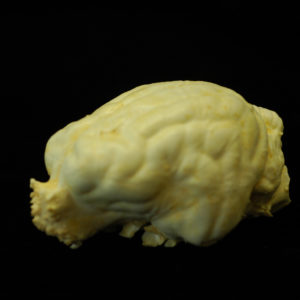
Lynx rufus Brain Replica
$26.00
Lynx rufus brain replica is 1.2 x 1.1 x 0.9 in. The Lynx rufus brain is a museum-quality polyurethane resin cast of a CAS specimen.
- Description
- Additional information
Description
Lynx rufus brain replica measures 1.2 x 1.1 x 0.9 inches. The Lynx rufus brain is a museum-quality polyurethane resin cast of aCAS specimen. 1:1 scale. Made in USA.
The bobcat first appeared during the Irvingtonian stage approximately 1.8 million years ago. While they resemble other members of the lynx genus, they are generally the smallest of the four species.
These medium-sized cats are highly adaptable predators. They successfully inhabit environments ranging from desert scrub to northern forests. Their survival across these diverse biomes reflects a remarkably flexible biological nature.
Scientific Classification
- Kingdom: Animalia
- Phylum: Chordata
- Class: Mammalia
- Order: Carnivora
- Suborder: Feliformia
- Family: Felidae
- Subfamily: Felinae
- Genus: Lynx
- Species: L. rufus
- Binomial name: Lynx rufus (Schreber, 1777)
- Conservation status: Least concern (IUCN 3.1)
Fire, the Lynx rufus brain replica, is playing kick-the-can in the orchard at dusk in Saratoga by Wild Cat Creek. It is so fun.
Fearing a scolding, Spitfire, the bobcat bay lynx skull replica, anticipates the encroaching darkness with growing dread.
Kid, the Canadian lynx skull replica, is the fastest runner and always gets to kick the can.
Screamer, the mountain lion skull replica, always screams very loud when she kicks the can.
Additional information
| Weight | 2.0 lbs |
|---|---|
| Dimensions | 1.2 × 1.1 × 0.9 in |
| Lynx Rufus Facts | Kingdom: Animalia |
| International Lynx Day - June 11th | International Lynx Day, observed on June 11th, celebrates and raises awareness about the conservation of lynxes worldwide. These elusive wild cats, including the Eurasian lynx, Canada lynx, Iberian lynx, and bobcat, play crucial roles in their ecosystems. |


