Moa Leg Bones C Replica Femur
$127.00
Moa leg bone C replica femur bone measures 12.6 x 5.5 x 2.8 inches. The Dinornis novaezealandiae bone is a museum-quality polyurethane resin cast.
- Description
- Additional information
Description
Moa leg bone C replica femur bone measures 12.6 x 5.5 x 2.8 inches. The Dinornis novaezealandiae bone is a museum-quality polyurethane resin cast. 1:1 scale. Made in USA.
The heavy-footed moa roamed the lowlands of New Zealand’s South Island as a massive, flightless giant. These birds dominated the ecosystem as the primary plant-eaters of the ancient forests.
They used their immense strength to crush tough vegetation, facing only one true predator in their habitat which was the massive Haast’s eagle.
Scientific Classification
- Kingdom: Animalia
- Phylum: Chordata
- Class: Aves
- Infraclass: Palaeognathae
- Clade: Notopalaeognathae
- Clade: Dinocrypturi
- Order: †Dinornithiformes Bonaparte, 1853
- Type species: †Dinornis novaezealandiae Owen, 1843
- Conservation status: Extinct
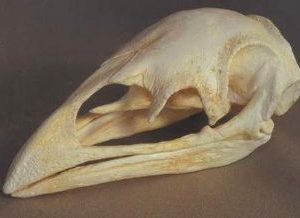
Mona, the moa bird skull replica, is so thoughful. She just finisihed making fruit salad for all of her friends. She poured strawberry yogurt over the top and mixed it all up. Of course, she had a bite or two, just to ensure its perfection.
Wobble, the dodo bird skull replica, dashes into Mona’s house. He cannot wait to stuff his huge bill with all of her yummy fruit salad.
Cupcake, the southern cassowary skull replica, acts like a delicate little princess. She grabs a plate, a napkin, and her own spoon. She neatly scoops just a dallop of fruit salad onto her plate and thanks Mona for the lovely invitation and the delicious fruit salad.
Additional information
| Weight | 4.5 lbs |
|---|---|
| Dimensions | 12.6 in |