
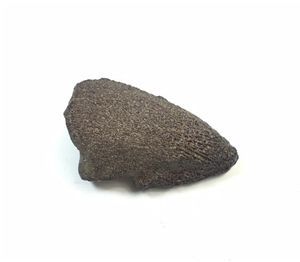


Pachycephalosaurus Claw Replica
$21.00
Pachycephalosaurus claw replica measures 2.0 x 1.25 x 0.65 inches. The Pachycephalosaurus wyomingensis claw is a museum-quality polyurethane cast.
- Description
- Additional information
Description
Pachycephalosaurus claw replica measures 2.0 x 1.25 x 0.65 inches. The Pachycephalosaurus wyomingensis claw is a museum-quality polyurethane cast. 1:1 scale. Made in USA.
Pachycephalosaurus wyomingensis remains famous for the large, bony dome atop its skull. this massive skull roof grew up to 10 inches thick. the thick bone safely cushioned the animal’s tiny brain from hard impacts.
Pachycephalosaurus dinosaurs possessed unique claw traits that scientists studied in the Hell Creek Formation. Their claws had a highly distinct physical twist right at the tip of the claw.
These rare bones show a slightly flattened shape built for extra stability; a thick horn-like layer of keratin covered the underlying bone during life. The dinosaurs had short arms that ended in five-fingered hands. They could not fight off large meat-eating enemies with these tiny arms. Instead, they relied on high running speeds to escape dangerous predators like T. rex.
Their flat toe claws functioned exactly like running spikes in loose forest dirt. This smart design gave them great traction while sprinting away from danger. Skeletal bones and claws remain incredibly rare because their fragile bodies seldom fossilized. Most dig sites yield thick skull roofs rather than arm bones.
Scientific Classification
- Kingdom: Animalia
- Phylum: Chordata
- Clade: Dinosauria
- Order: †Ornithischia
- Family: †Pachycephalosauridae
- Genus: †Pachycephalosaurus
- Species: †Pachycephalosaurus wyomingensis
- Conservation status: Extinct
The Pachycephalosaurus claw pairs well with the Triceratops horn single brow replica.
Additional information
| Weight | 1.5 lbs |
|---|---|
| Dimensions | 2.0 × 1.14 × 1.25 in |
| National Dinosaur Day - June 1st | National Dinosaur Day is celebrated on June 1st every year. It's a day to learn about dinosaurs, including what they looked like, what they ate, and how they became extinct. |

