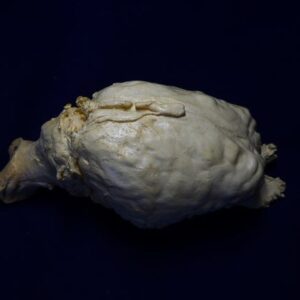
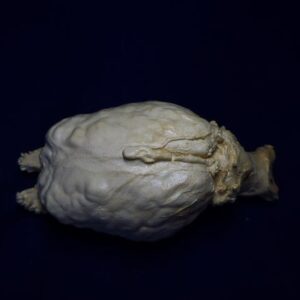
Extinct Wild Horse Brain Replica
$64.00
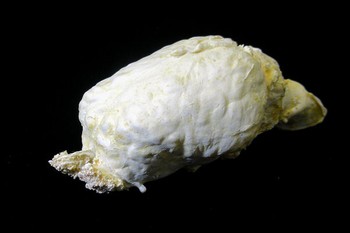
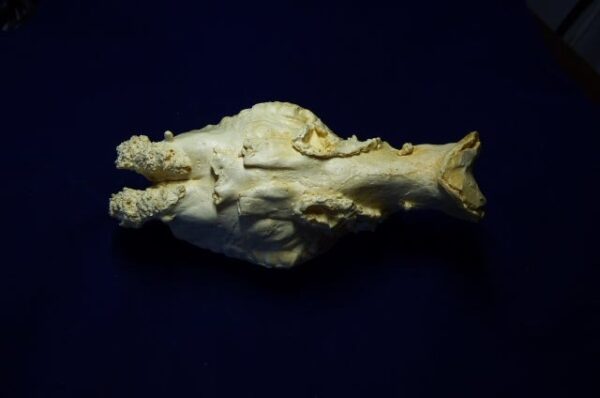
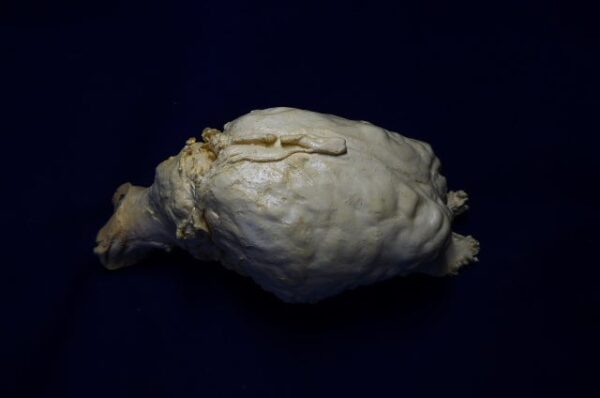
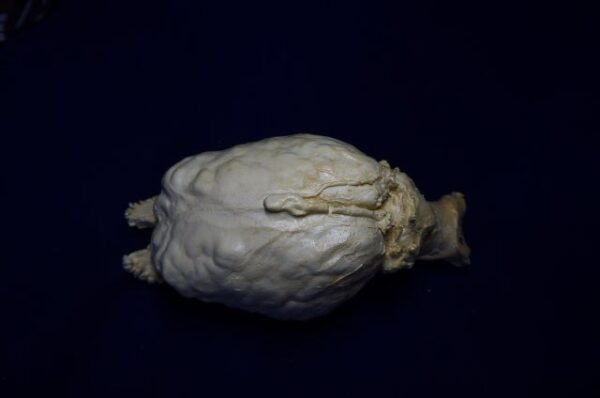
Extinct wild horse brain replica measures 4.4 x 3.6 x 3.4 inches. Equus ferus brain is museum-quality polyurethane resin cast from the ANSP specimen. 1:1 scale.
- Description
- Additional information
Description
Extinct Wild Horse Brain Replica Equine Study
Extinct wild horse brain replica measures 4.4 x 3.6 x 3.4 inches. Equus ferus brain is museum-quality polyurethane resin cast from the Academy of Natural Sciences of Philadelphia specimen. 1:1 scale. Made in USA.
Natural History and Nomenclature
The name “tarpan” comes from Turkic languages like Kazakh or Kyrgyz, meaning “wild horse.” Historically, groups like the Tatars and Cossacks used this term to separate ancestral animals from feral ones.
Phylogenetic Development
As part of the Equidae family, these animals became specialized grazers. Their bodies were built for life on open steppes and grasslands. This lineage includes the extinct tarpan and the endangered Przewalski’s horse.
Anthropogenic Interaction and Ethology
These mammals have a long history with man. They shifted from being a prey species to a symbol of the untamed world. The last captive tarpan died in the Russian Empire in 1909. This event marked the end of the pure subspecies.
Scientific Classification
- Kingdom: Animalia
- Phylum: Chordata
- Class: Mammalia
- Order: Perissodactyla
- Family: Equidae
- Genus: Equus
- Species: E. ferus
- Binomial name: Equus ferus (Boddaert, 1785)
- Conservation status: Endangered
Investigate Equidae Cranial Variations
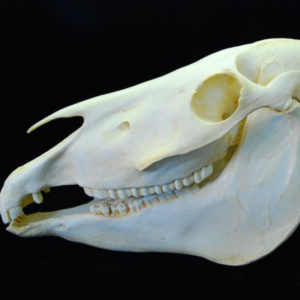
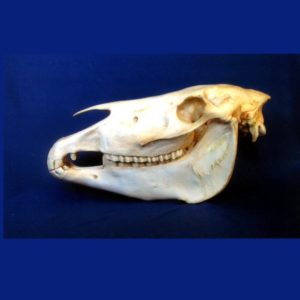
Pairing this extinct wild horse brain with modern specimens offers a technical look at how the Equus genus changed. To build a professional research set, you can group this brain with a domestic horse female skull replica, a Przewalski’s horse skull replica and a Mesohippus bairdi skeleton replica. This collection allows for a direct comparison of brain structure and skull size across different eras.
Additional information
| Weight | 4.0 lbs |
|---|---|
| Dimensions | 4.4 × 3.6 × 3.4 in |