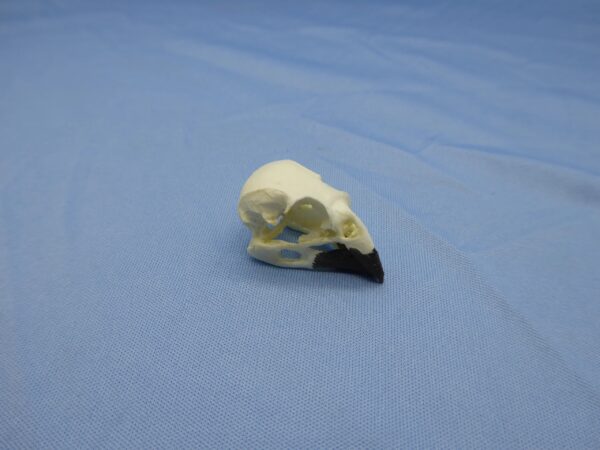
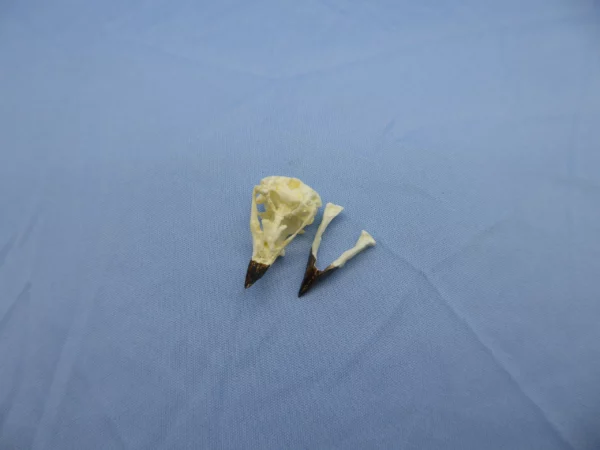
Large Cactus-Finch Skull Replica
$85.00
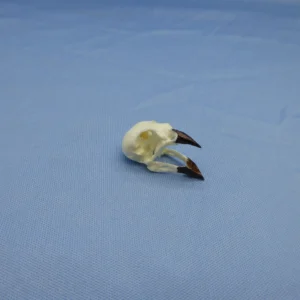
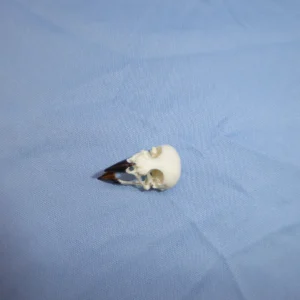
Examine avian evolution with this 1:1 scale skull cast. This model exhibits unique traits and island history. It provides a precise reference for the professional lab. Integrate this high-fidelity replica into your research or study collection today.
- Description
- Additional information
Description
Large Cactus-Finch Skull Replica (Geospiza conirostris) Information
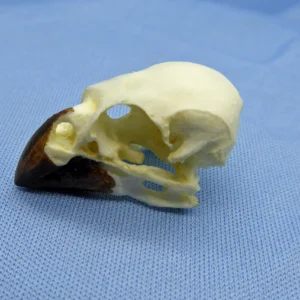
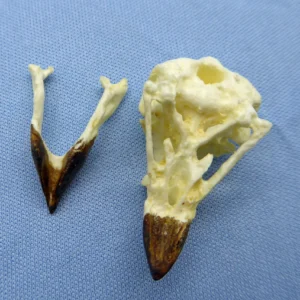
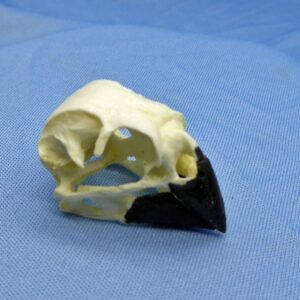
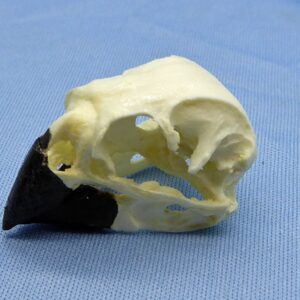
Large cactus-finch skull replica measures 1.25 x 0.65 x 0.55 inches. Geospiza conirostris is museum-quality polyurethane resin cast from California Academy of Sciences specimen. 2-part skull (separate cranium and mandible). 1:1. Adult male. Made in USA.
Anatomy of the Large Cactus-Finch Skull Replica
The large cactus-finch is a master of the arid Galápagos lowlands. The California Academy of Sciences maintains specimens that showcase the extraordinary cranial adaptations required for a specialized diet centered on the Opuntia cactus. Below are the unique features of this robust ground finch.
Large Cactus-Finch Skull Replica Robust Probing Morphology
In mature males such as the CAS specimen, the bill is notably long and deep at the base, providing a powerful yet precise tool for exploiting cactus resources. Unlike the more delicate beak of its relatives, this structural adaptation allows the bird to puncture tough cactus fruit and reach protected seeds.
The Opuntia Specialist
The skull features a sturdy mandible designed to tear into cactus pads and flowers. This allows the bird to access pulp and arthropods hidden within the plant. While it is primarily a cactus specialist, its heavy beak also enables it to crush large, hard seeds during the dry season.
Multi-Functional Beak Adaptation
The cranium reveals a beak morphology that is less laterally flattened than other ground finches, offering increased strength for prying and probing. This allows the finch to forage efficiently on the ground and within the dense spines of prickly pear cacti.
Large Cactus-Finch Herbivorous Evolution
The deep, elongated culmen is a vital structural adaptation for its niche in dry shrublands. This distinct silhouette is often compared to the large ground-finch, yet it retains the length necessary for specialized cactus feeding. This specimen represents one of the largest and most specialized species in the Geospiza genus.
Scientific Classification
- Kingdom: Animalia
- Phylum: Chordata
- Class: Aves
- Order: Passeriformes
- Family: Thraupidae
- Genus: Geospiza
- Species: G. conirostris
- Binomial name: Geospiza conirostris Ridgway, 1890
- Conservation status: Vulnerable (IUCN 3.1)
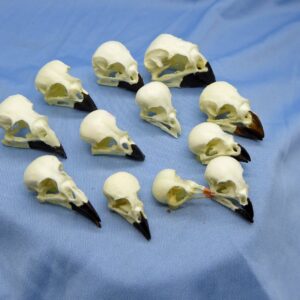
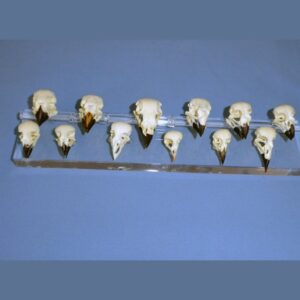
Analyze the specialized probing morphology of this Galápagos finch with a 1:1 scale museum-quality cast. This replica highlights the elongated, robust beak structure essential for Darwin’s finch osteology studies. It serves as a vital comparative tool alongside our large ground-finch skull, medium ground-finch replica, and small ground-finch cast. For a comprehensive evolutionary study, we also offer the complete set of 12 Darwin’s finches in our avian collection. This geospiza conirostris model provides the precise anatomical detail required by professional biologists. Shop for more museum-quality replicas in our bird or aves replica store.
Additional information
| Weight | 2.0 lbs |
|---|---|
| Dimensions | 1.25 × 0.65 × 0.55 in |
| Large Cactus Finch Facts | Scientific classification |