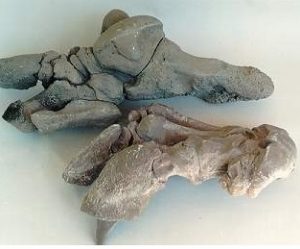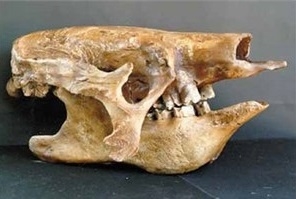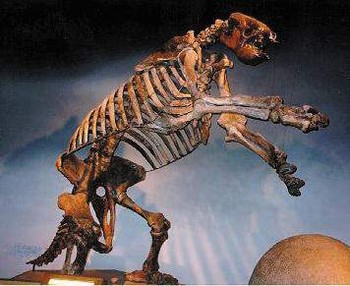

Eremotherium laurillardi Disarticulated Skeleton Replica
$38,500.00
Eremotherium laurillardi disarticulated skeleton replica is 13.0 feet tall, museum-quality polyurethane resin cast of original specimen.
- Description
- Additional information
Description
Eremotherium laurillardi disarticulated skeleton replica is 13.0 feet tall. The Eremotherium laurillardi skeleton replica is museum-quality polyurethane resin cast of original specimen. 1:1 scale. Made In USA.
Important Production and Shipping Notice
This museum-quality replica is made to order. It requires additional time for casting. Please call our customer service team at 1-509-951-3557 to check current availability and turnaround times. Additional shipping charges may apply. Please contact our sales team for a personalized shipping quote to your location.
Southern North America, Central America and northern South America serve as the native origin for these massive animals. Modern regions spanning from South Carolina down to southern Brazil formed their primary geographic range.
Elephant-like body sizes up to twenty feet long and weights over three tons defined their giant physical frames. Robust bones, long grasping limbs, and massive curved claws characterized their heavy skeletal structure.
Shifting from four limbs to an upright stance allowed them to reach high branches safely. Inward-turned hands forced them to walk slowly on the outer edges of their feet.
Tree leaves, green plants, wild grasses, and woody twigs formed the primary natural diet of these giant herbivores.
Scientific Classification
- Kingdom: Animalia
- Phylum: Chordata
- Class: Mammalia
- Order: Pilosa
- Clade: †Megatheria
- Family: †Megatheriidae
- Subfamily: †Megatheriinae
- Genus: †Eremotherium Spillmann, 1948
- Species: E. laurillardi
- Binomial name: †Eremotherium laurillardi Lund, 1842
- Conservation status: Extinct
Earl, the Eremotherium claw record replica, is itching to go swimming. He has his checkered moss green Speedo on and remembered his sunscreen for the first time this summer.
Easton, the Eremotherium mirabile articulated hand and foot replicas, are clapping their volleyball team’s latest spike.
Emily, the Eremotherium laurillardi claw replica, has been swimming for hours and built up a huge hunger for a king-size Snickers bar.
Grant, the giant ground sloth skull replica, is shaking his head back and forth because he cannot believe his sister, she did not even want to come swimming.
Additional information
| Weight | 400 lbs |
|---|---|
| Dimensions | 156 in |