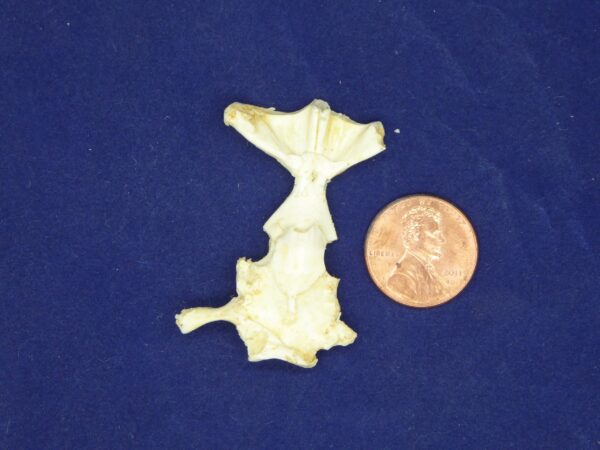



Frog Brain Replica
$36.00
The Rana temporaria brain is highly resilient, maintaining stable energy levels for several days in freezing, oxygen-free water during winter sleep.
- Description
- Additional information
Description
Frog brain replica for Herpetology
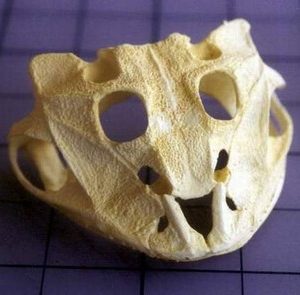
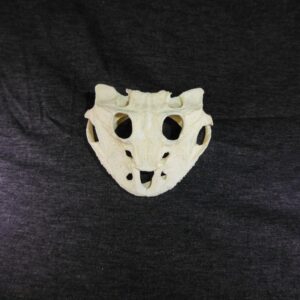
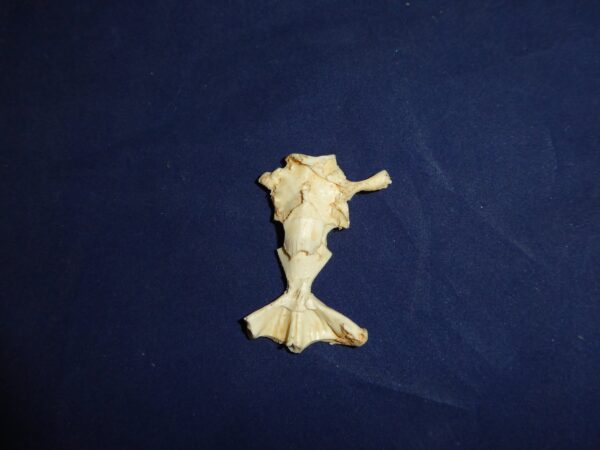
Frog brain replica measures 1.8 x 1.2 x 0.4 inches. Rana temporaria brain is museum-quality polyurethane resin cast from CAS specimen. 1:1 scale. Made in USA.
Etymology and Terminology
Old English roots define the term frog and highlight the amphibious nature of these vertebrates. Adult frogs possess a stout body with protruding eyes and an anteriorly-attached tongue. Limbs typically fold underneath the body while the animal lacks a true tail.
Tailed frogs represent a specific exception because the tail is actually an extension of the male cloaca. Glandular skin produces secretions ranging from distasteful to toxic consequently deterring potential predators. This skin serves as a primary defense mechanism furthermore protecting them against various threats in natural habitats.
Life Cycle and Reproduction
Frogs generally lay eggs in water to produce aquatic larvae known as tadpoles. These larvae possess internal gills and tails for underwater locomotion. Specialized rasping mouth parts also allow for herbivorous, omnivorous, or planktivorous diets.
The life cycle reaches completion when these larvae metamorphose into adults. A few specialized species deposit eggs on land alternatively bypassing the tadpole stage entirely. This diversity in development allows frogs to occupy a wide range of global ecosystems because they adapt so well to moist environments.
Human Association and Conservation
Humans value frogs as a food source and assign them significant cultural roles in literature and religion. Semi-permeable skin makes these animals highly susceptible to environmental changes however it also serves as an environmental bellwether.
Frog populations have declined significantly since the 1950s because over one third of species are now threatened with extinction. Conservation biologists currently study emerging threats like chytridiomycosis additionally monitoring increasing malformations. Protecting these amphibians is vital because they remain key components of global food web dynamics.
Scientific Classification
- Kingdom: Animalia
- Phylum: Chordata
- Class: Amphibia
- Order: Anura
- Family: Ranidae
- Genus: Rana
- Species: R. temporaria
- Binomial name: Rana temporaria (Linnaeus, 1758)
- Conservation status: Least concern (IUCN 3.1)
Conduct a Comparative Feeding Analysis
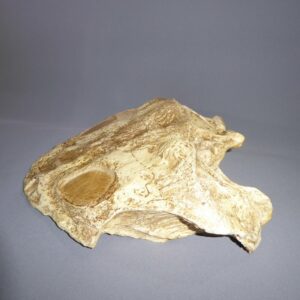
Displaying this adult frog brain model alongside its specialized predatory tools provides a technical look at amphibian feeding mechanics. To build a professional research set, pair this brain with a Brazilian horned frog skull replica, a Chinese giant salamander skull replica, and a Vigilius wellesi skull replica. This grouping allows you to analyze the neural pathways responsible for strike precision against the diverse cranial architectures evolved by modern and prehistoric predatory amphibians.
Additional information
| Weight | 1.2 lbs |
|---|---|
| Dimensions | 1.8 × 1.2 × 0.4 in |
| Frog Facts | Various types of Frog |
| World Frog Day - March 20 | World Frog Day, observed annually on March 20th, serves as a pivotal reminder of the ecological and biological significance of frog species across the globe. It’s a day dedicated to celebrating these fascinating creatures, understanding their vital roles in our ecosystems, and acknowledging the severe threats they face due to human activity and environmental changes. |