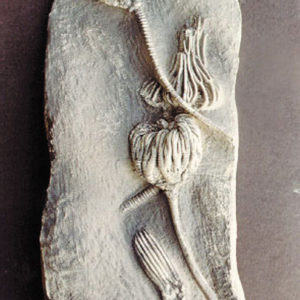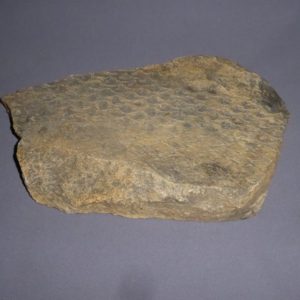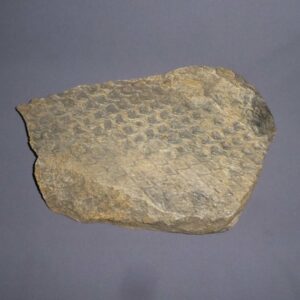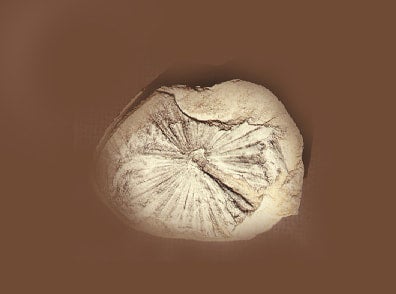
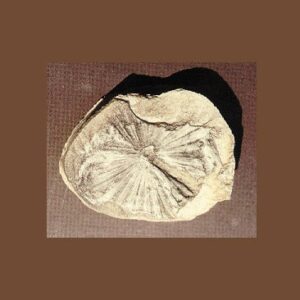
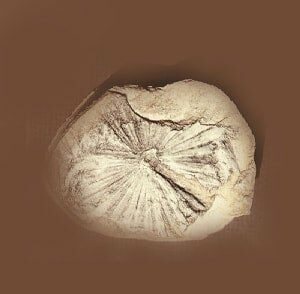
Annularia Calamites cross-section replica
$31.00
Prehistoric plants of North America fossils of this genus have been discovered in the Permian strata of Russia and in the Carboniferous (around 360 to 300 million years ago) strata of the United States, Canada, China and Europe.
- Description
- Additional information
Description
Annularia Calamites cross-section replica measures 3.1 inches. Annularia Calamites cross-section replica is museum quality polyurethane resin cast from original specimen. Made in USA.
The Mazon Creek fossils are found in the Upper Carboniferous Francis Creek Shale. The type locality is the Mazon River (or Mazon Creek), a tributary of the Illinois River near Morris, Grundy County, Illinois.
The 25 to 30 meters of shale were formed approximately 309 million years ago, during the Pennsylvanian period. Annularia is a form taxon. It is the name given to Calamites leaves.
Annularia is a form taxon name given to leaves of Calamites. In that species, the leaves formed radiating leaf whorls at each stem node, in a similar way to the branches of Equisetum, an extant genus of horsetails.
Annularia leaves are arranged in whorls of between 8-13 leaves. The leaf shape is quite variable, being oval in Annularia sphenophylloides and linear to lanceolate in Annularia radiata, but they are always flat and of varying lengths.
Calamites were arborescent and grew to a height of 32 feet (9.8 meters).
Prehistoric plants of North America fossils of this genus have been discovered in the Permian strata of Russia and in the Carboniferous (around 360 to 300 million years ago) strata of the United States, Canada, China and Europe.
The stems and the radiating structures of the leaf whorls is similar in the Calamites, an extinct genus of horsetails. Fossils of this genus have been discovered in the Permian strata of Russia and in the Carboniferous (around 360 to 300 million years ago) strata of the United States, Canada, China and Europe. Pennsylvanian. Mazon Creek, Illinois.
Annularia Calamites cross-section replica Scientific classification:
-
- Kingdom: Plantae
- Clade: Tracheophytes (Vascular plants)
- Division: Polypodiophyta (often formerly Pteridophyta)
- Class: Polypodiopsida (historically Equisetopsida or Sphenopsida)
- Subclass: Equisetidae
- Order: Equisetales
- Family: †Calamitaceae
- Genus: †Calamites Brongniart, 1828 (formerly attributed to Sternberg, 1820)
To visualize the diverse flora of the Carboniferous coal swamps, researchers can pair this diamond patterned Lepidodendron aculeatum bark fossil with a Calamites stem fossil replica. This comparison highlights the structural differences between the lycopsid scale trees with their spirally arranged leaf scars and the sphenopsid horsetails characterized by their distinct jointed and ribbed stems.
Additional information
| Weight | 6.0 lbs |
|---|---|
| Dimensions | 3.1 in |