
Hippopotamus Skulls for Semiaquatic Morphology
Hippopotamus skull replicas for semiaquatic morphology – Inspect the massive cranial architecture and specialized dental elements of the hippopotamidae family through our unique fossil collection. These specimens demonstrate the enormous ever-growing canines and high-set orbital cavities required for a river-dwelling lifestyle. Our selection features high-fidelity craniums, robust foot bones, and isolated tusks. We also include the rare, pillar-like structures of desmostylus teeth to showcase ancient marine herbivore evolution. Each polyurethane resin model is cast from original bone to preserve the rugged surface textures and dense mineralized structures. American-manufactured, these durable hippopotamus skull replicas offer a lightweight alternative to heavy museum originals. They reveal the amazing biological engineering needed for survival in African aquatic ecosystems.
-


Hippopotamus Skull Model Replica
$1,400.00This large aquatic herbivore can be aggressive when protecting its territory. The Hippopotamus contributes to more human deaths in Africa than lions, crocodiles, and venomous snakes combined.
-


Hippopotamus Skeletal Foot Replica
$94.00Hippopotamus are bulky animals and can gallop at 19 mph on land but normally trot. They are incapable of jumping but can climb up steep banks. Despite being semiaquatic and…
-

Hippopotamus Left Canine Tooth Replica
$160.00This large aquatic herbivore can be aggressive when protecting its territory. The Hippopotamus contributes to more human deaths in Africa than lions, crocodiles, and venomous snakes combined.
-


Pygmy Hippopotamus Female Skull Replica
$363.00The Pygmy Hippopotamus Inhabits swamps and riparian areas. They are primarily nocturnal, spending the day sleeping in the forest and feeding on aquatic vegetation at night.
-


Asian Hippopotamus Tooth Row Replica
$30.00Unlike other hippos, the Asiatic hippopotamus has six front teeth (incisors) in each jaw instead of just four, in addition to the tusks. It has its eyes raised high on…
-
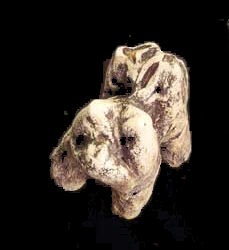
Asian Hippopotamus Molar Tooth Replica
$25.00Unlike other hippos, the Asiatic hippopotamus has six front teeth (incisors) in each jaw instead of just four, in addition to the tusks. It has its eyes raised high on…
-
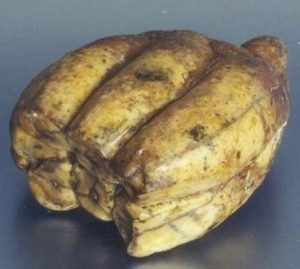
Desmostylus Molar Worn Replica
$34.00Recent isotope work indicates that Desmostylus more likely lived (or spent a large amount of time) in freshwater or estuary ecosystems foraging for aquatic freshwater plants.
-

Desmostylus Tooth Unerupted Replica
$34.00Recent isotope work indicates that Desmostylus more likely lived (or spent a large amount of time) in freshwater or estuary ecosystems foraging for aquatic freshwater plants.