
Plant Fossils for Paleobotany
Plant fossils replicas provide a window into the ancient flora that formed the earth’s first forests. These 1:1 scale casts accurately recreate the anatomical venation and osteological textures of species like lepidodendron and glossopteris. This collection improves paleontology study by providing a tangible way to examine bark patterns and frond articulation. Every item comes from ethically sourced originals found in high-grade coal measures and shale beds.
These plant fossils replicas highlight the evolution of vascular systems for zoological habitat research and comparative anatomy. The flat relief format makes these models perfect for university wall displays or lecture settings. Each cast remains durable for constant handling and professional museum-quality displays. Every fine botanical landmark stays visible to ensure these models meet the strict requirements of scientific researchers. These detailed reproductions offer a high-fidelity look at prehistoric environments through rare original slabs.
-

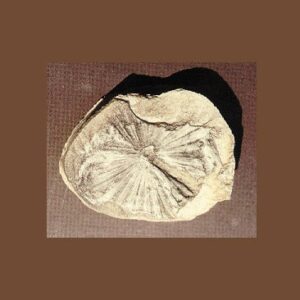
Annularia calamites Cross-Section Replica
$31.00Annularia calamites cross-section replica is 3.1 x 3.1 x 1.0 in. The Annularia stellata cross-section is a museum-quality polyurethane resin cast of a FMNH specimen.
-

Calamites Tree Trunk Fossil Replica
$24.00Calamites tree trunk fossil replica is 5.9 x 3.1 x 1.2 in. The trunk fossil is a museum-quality polyurethane resin cast of from a FMNH specimen.
-
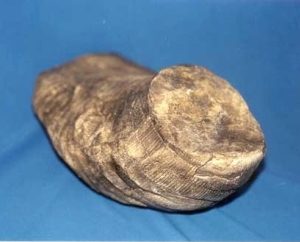
Calamites Tree Trunk Replica
$45.00Calamites tree trunk fossil replica is 5.9 x 3.1 x 1.2 in. The trunk fossil is a museum-quality polyurethane resin cast of from a FMNH specimen.
-

Crinoid Dizygocrinus Hisforcrinus Plaque Replica
$50.00Dizygocrinus is recognized from both the late Osagean and Meramecian on both the eastern and western margins of the Illinois Basin. Dizygocrinus is first recognized virtually simultaneously on both the…
-

Crinoid Ethelocriunus magister Replica
$28.00The large crowns with complex, branching, pinnulated arms and thick, ornamented plates suggests that Ethelocrinus magister preferred warm, shallow water environments in which food supplies of organic matter suspended in…
-

Crinoid Holdfast Bulb Replica
$30.00Holdfasts vary in shape and form depending on both the species and the substrate type. The holdfasts of organisms that live in muddy substrates often have complex tangles of root-like…
-

Crinoid Parisangulocrinus Replica
$25.00The calyx is truncated cone-shaped as in Rhadinocrinus. However, the arms are dichotomously forked up to four times. The anal sac is long, slender, and cob-like.
-

-


Crinoid Saccocoma Petinata Panel Replica
$16.00Originating in the 150 million year old Jurassic Solnhofen Lithographic Limestone deposits near Bavaria, Germany, these pelagic (free-floating) comatulid crinoids are known as Saccocoma pectinata.
-


Crinoid Scyphocrinus Plaque Replica
$25.00Adult crinoids Scyphocrinus are characterized by having the mouth located on the upper surface. This is surrounded by feeding arms, and is linked to a U-shaped gut, with the anus…
-

-

Crinoid Sea Floor Replica
$50.00Those crinoids which, in their adult form, are attached to the sea bottom by a stalk are commonly called sea lilies, while the unstalked forms are called feather stars or…
-

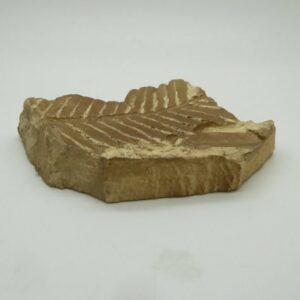
Cycad Frond Plant Replica
$22.00They typically grow very slowly and live very long, with some specimens known to be as much as 1,000 years old. Because of their superficial resemblance, they are sometimes mistaken…
-
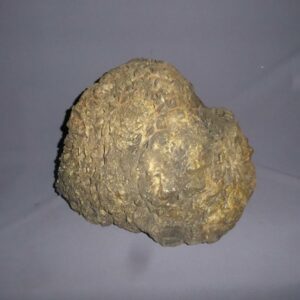
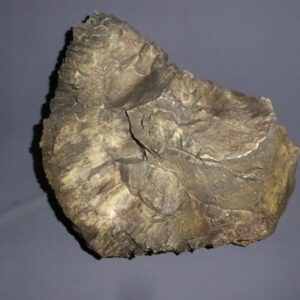
Cycad Tree Stump Replica
$199.00They usually have pinnate leaves. The individual plants are either all male or all female (dioecious). Cycads vary in size from having trunks only a few centimeters to several meters…
-

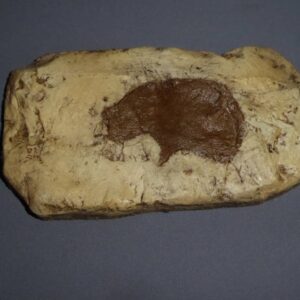
Ginkgo Leaf Eocene Replica
$25.00Ginkgos or Maidenhair trees are large trees, normally reaching a height of 66–115 feet, with some specimens in China being over 160 feet. The tree has an angular crown and…
-
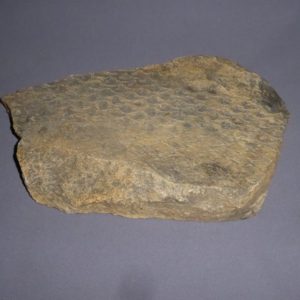
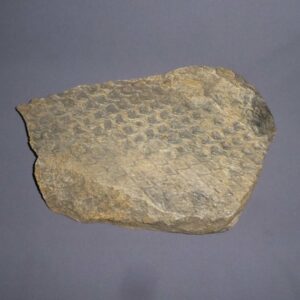
Lepidodendron Aculeatum Bark Fossil Replica
$45.00Explore the ancient world with this Lepidodendron aculeatum bark fossil replica. Perfect for paleobotany education, this scale tree model features leaf scars.
-


Lepidodendron Bark Replica
$43.00As the trees aged, the wood produced by the unifacial cambium decreased towards the top of the plant such that terminal twigs resembled young Lepidodendron stems.
-


Lepidodendron Bark Replica 14
$58.00They were part of the coal forest flora. They sometimes reached heights of over 100 feet, and the trunks were often over 3.3 feet in diameter.
-
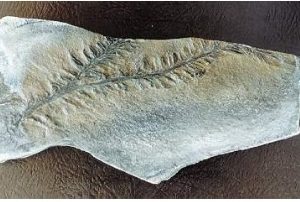

Lepidodendron Foliage Fossil Replica
$29.00Lepidodendron is one of the more common plant fossils found in Pennsylvanian (Late Carboniferous) age rocks. They are closely related to other extinct lycopsid genera.
-

-
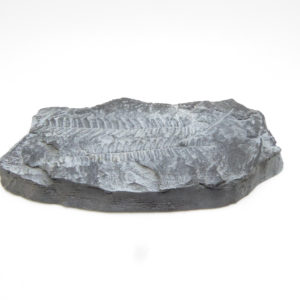

Seed Fern Foliage Fossil Replica
$22.00Their discovery attracted considerable attention at the time, as the pteridosperms were the first extinct group of vascular plants to be identified solely from the fossil record.
-


Seed Fern Foliage Replica
$56.00The earliest fossil evidence for plants of this type is the genus Elkinsia of the late Devonian age. They flourished particularly during the Carboniferous and Permian periods.
-

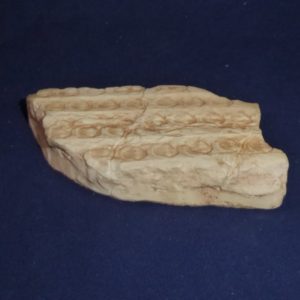
Sigillaria Lycopod Bark Replica
$17.00The old leaf bases expanded as the trunk grew in width, and left a diamond-shaped pattern, which is evident in fossils. These leaf scars were arranged in vertical rows.